Receive the information
Collect coordinates, asset schedules, occupancies, site photographs, engineering reports and historical incident records, with sources and dates.

Receive, check, analyze, report and update. Our workflow records sources, assumptions and open questions so partners can trace the information and review it independently.
Explore further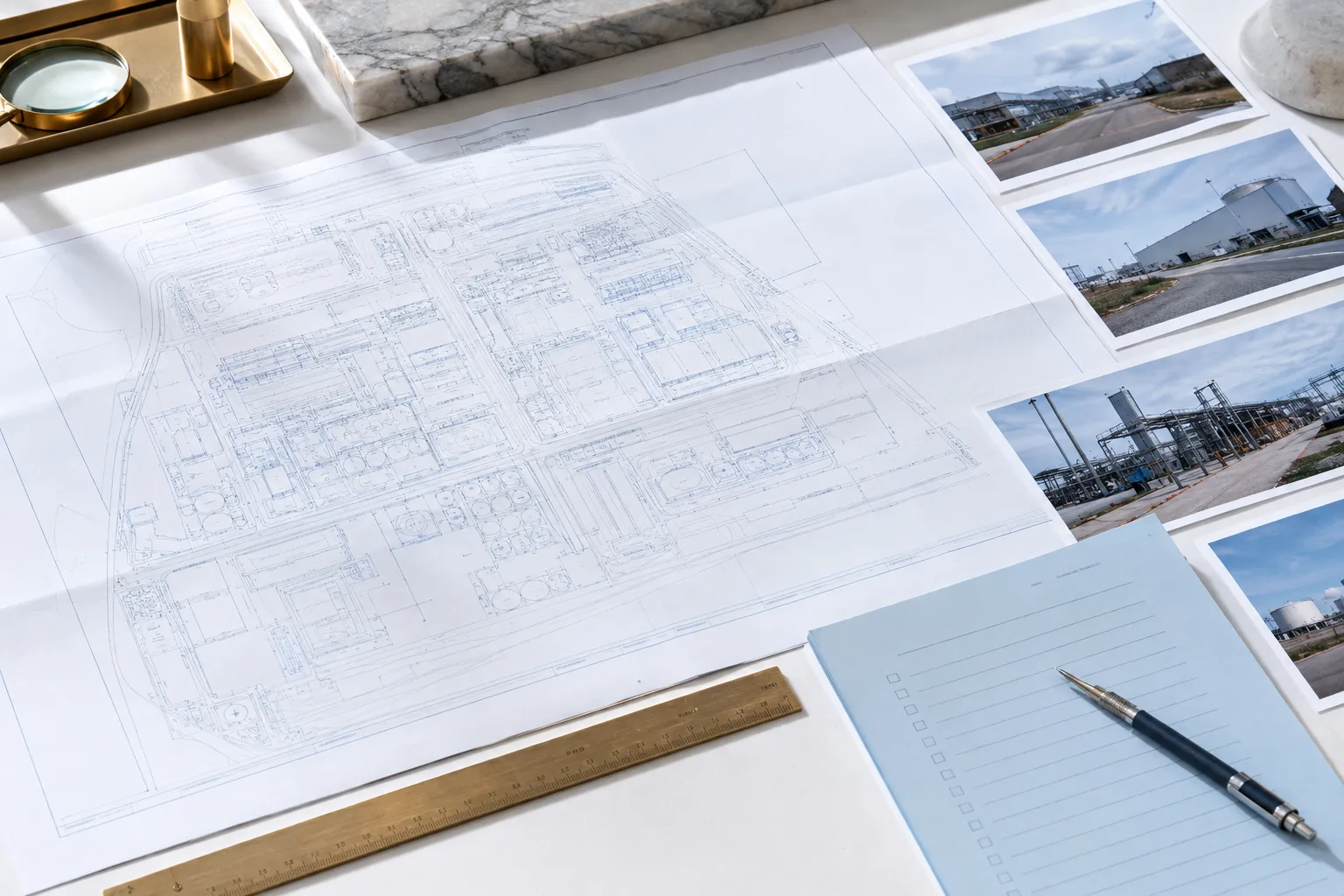
Collect coordinates, asset schedules, occupancies, site photographs, engineering reports and historical incident records, with sources and dates.
Check value breakdowns, addresses, business-continuity information and loss records for consistency. Log missing or conflicting information for clarification.
Analyse construction, protection, critical equipment, flood, storm and earthquake information, including links between a site and other facilities.
Consolidate facts, analysis, assumptions and limitations through internal review. Reports inform partners; related business decisions remain with the responsible institution.
Update reports when new engineering, location or incident information arrives, retaining versions and material changes.
Information needs vary by asset. This checklist provides a starting point for discussion and is refined for each project.
Accurate addresses and coordinates, location-level asset schedules, building and equipment value breakdowns, occupancies and layout plans.
Site surveys and engineering reports, fire systems, water supply, flood measures, maintenance and implementation of risk-improvement recommendations.
Critical equipment, utilities, production bottlenecks, supplier dependencies, business-continuity plans and the basis for expected recovery times.
Dates, causes, impact, remedial measures and follow-up reviews for historical incidents. Missing or unverifiable records should be identified clearly.
Flood, storm and earthquake information, plus other sites connected through the same estate, river basin or utilities. Hazard analysis should identify its sources and assumptions.
Dates, information providers, contacts, outstanding items, change records and applicable confidentiality and information-sharing arrangements.
Start with your market, industry and information needs.